
NIMS ICS 300 – Intermediate ICS for Expanding Incidents
This course is for individuals who may assume a supervisory role in incidents, and expands upon information covered in the ICS 100c and ICS 200c courses.

This course is for individuals who may assume a supervisory role in incidents, and expands upon information covered in the ICS 100c and ICS 200c courses.
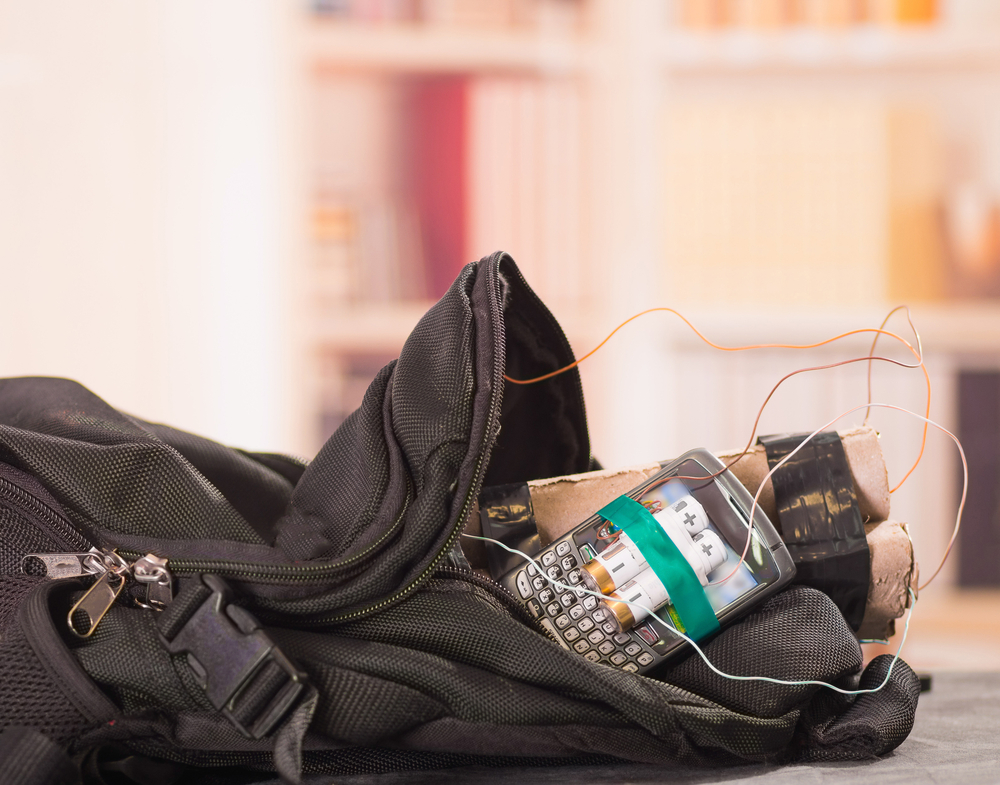
The Improvised Explosive Device (IED) Search Procedures course introduces participants to basic, low risk search protocols. It provides participants the information needed to create a search plan for their facility or special event and allows them to perform IED searches of a facility, an area, and a route.
The Vehicle-Borne Improvised Explosive Device (VBIED) Detection course provides participants with the knowledge and skills to successfully and safely inspect for, identify, and/or respond to vehicle-borne explosive threats.
The Protective Measures course provides participants the foundational knowledge to identify risks and vulnerabilities to a facility, venue, or event and identify various types of protective measures to mitigate an IED threat.
NIMS ICS 400 Advanced ICS for Command and General Staff is a 16-hour course that is intended to provide training on and resources for personnel who require advanced application of the Incident Command System (ICS).

The Essentials of Community Cybersecurity (ECCS) (AWR136) course provides individuals, community leaders, and first responders with information on how cyber attacks can impact, prevent, and/or stop operations and emergency responses in a community.
This course provides students with a firm understanding of an advanced persistent threat. This knowledge will place them in a better position to plan for and recover from inevitable cyber attacks.
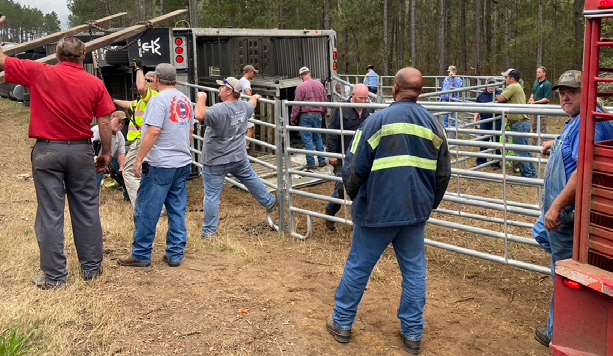
Livestock Emergency Response Plan (LERP) training provides information to enhance management of highway incidents that involve livestock carriers.

This free 2-day, 15-hour course is a standardized, national-level pediatric disaster training focused on emergency management, public health, clinical preparedness, and resiliency and recovery.

The Surveillance Detection for Bombing Prevention course provides public safety and security professionals fundamental knowledge and skills to recognize and respond appropriately to hostile surveillance at facilities and planned and unplanned events.
This eight-hour course provides first responders with information on general explosive characteristics and hazards, homemade explosive precursor materials, homemade explosive manufacturing indicators, and Improvised Explosive Device (IED) components.

BatteryIQ provides students with a simplified system to understand, identify, and safely respond to battery-related incidents as small as a cellphone or electric scooter to large battery failures such as an electric vehicle or energy storage facility.